
When you’re on the move, it’s easy enough to focus on the more obvious elements. Artwork, particularly paintings, are probably some of the most vulnerable possessions you have. Art isn’t like something you can just wrap up in yesterday’s newspaper and chuck in a box with your other possessions; they demand extra special care and handling. Whether you’re moving a small framed print or a priceless oil masterpiece, here is what you need to know to keep your paintings in pristine condition.
Why Do Artwork And Paintings Need To Be Moved Carefully?
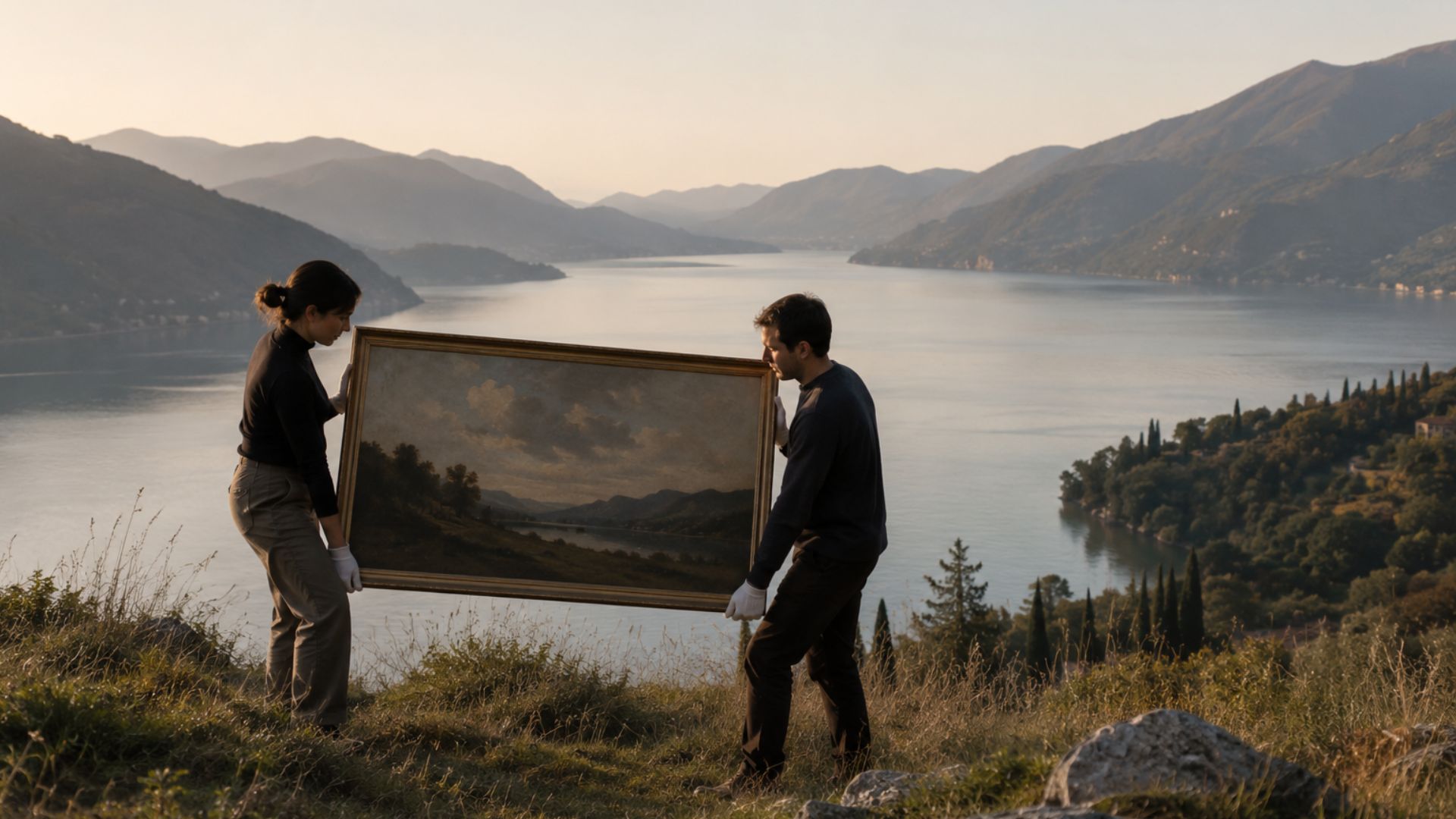
There are a number of threats to artwork and paintings that they would not be exposed to during normal transit and that furniture and appliances would not have to deal with. Canvas artwork can begin to crack or warp as a result of rapid changes in humidity and temperature. Frames, particularly antique, ornamental ones, can be very susceptible to breaking when placed under pressure. Artwork that is covered by glass can be smashed, scratching the artwork itself beneath. Long and bumpy transit routes can cause existing damage and flaking to older works.
The issue is that two artworks can rarely be moved in exactly the same way. A large oil painting with no frame will be completely different to a small, watercolour print with glass.
Ensuring You Have Everything You Need Before You Start Packing
Before you wrap up even a single picture you need to make sure you have appropriate packing supplies ready and accessible. Using incorrect packing materials is a fundamental packing mistake. Here is what you will need:
- Glassine or acid-free tissue paper-this is what you will wrap the artwork in first so it’s right against the surface, and you will also want this on both sides of a flat piece and on the front of glass pictures so the shards don’t cut up the artwork in the event of an accident.
- Bubble wrap-you’ll use this around the outside of the glassine layer of the painting so there is cushioning and impact absorption.
- Corner protectors-cardboard corners will protect the most vulnerable parts of the picture frame from the bumps and jars of moving.
- Picture boxes or mirror boxes-you can buy pre-made, strong cardboard boxes in varying sizes specifically for framed artwork, but these can be expensive. You can also make your own box out of heavy-duty cardboard.
- Foam board or cardboard-you’ll need these to separate stacked artwork so there isn’t any pressure put directly onto the frame of one painting by the one stacked on top of it.
- Packing tape-to secure all your wrapping and your box, without letting the adhesive directly touch any painted or raw canvas surfaces.
- Permanent marker-to label the boxes for ease and clarity.
Step-by-Step Guide On How To Pack Paintings And Artwork For Moving
Step 1: Photograph all the pieces
Before you pack any of the artwork, be sure to take pictures of everything from many angles. These photographs are your evidence in case of any damage that might occur to the artwork in transit. Send the photos to yourself as an e-mail attachment so that they are readily available for your use immediately after the move.
Step 2: Cover the artwork with the correct first layer
For paintings (especially oils or acrylics), lay a sheet of glassine or acid-free tissue paper lightly over the surface of the painted object; do not ever use ordinary newspapers as ink may transfer from the newspaper to the painting. Use painter’s tape on glass-covered pictures; make a cross on the glass with the tape so that should the glass break, it will hold the shards in place, which will prevent them from cutting up the artwork underneath.
Step 3: Wrap the piece with bubble wrap and protect the corners
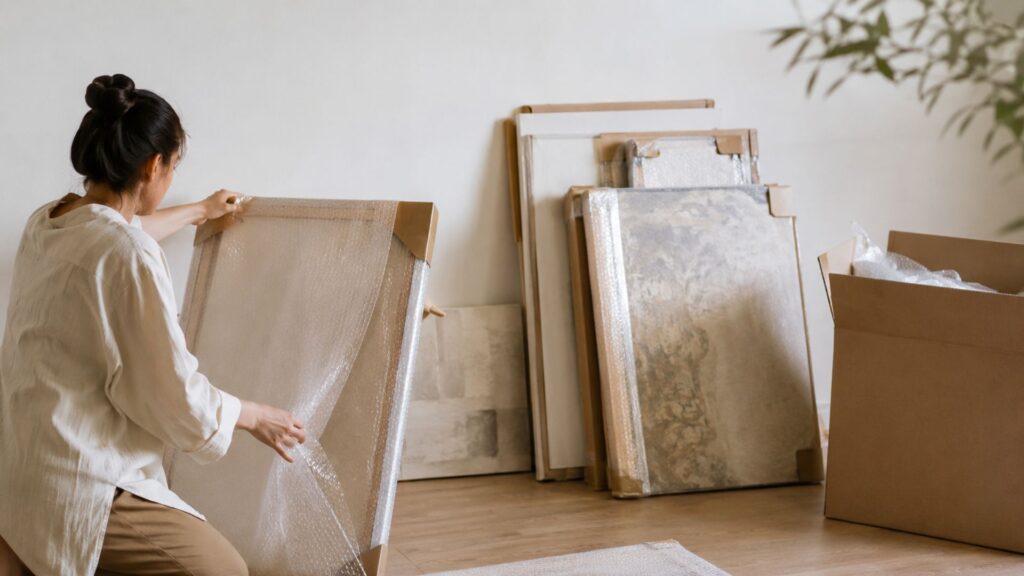
Wrap the painting with bubble wrap, making sure the bubble side of the wrap is not facing the artwork. Secure with packing tape so that the tape does not come into contact with any part of the frame that might be raw wood, any part of the painted canvas, or the artwork itself. Slide cardboard corner protectors onto each corner of the frame before wrapping with more bubble wrap.
Step 4: Put the picture in a properly fitting box
Using appropriate size picture boxes or mirror boxes that fit the artwork well will eliminate any wiggle room. Add a bit of packing paper or some foam to the bottom of the box, and place the picture inside. Add more padding on all sides of the artwork to fill in the space, and seal the box completely. Label the box clearly with “FRAGILE-ARTWORK – THIS SIDE UP” on all sides of the container.
Step 5: Transport the pictures in a vertical position-never flat
This is one of the most common packing errors. Artwork should not be moved lying flat on its back; if placed flat in a moving truck, other items will be piled on top of it, causing potential cracks in the canvas, breaks in the frame, and shattering of the glass. Stand boxed artworks upright against the back wall of the moving truck or secure them in place so they do not shift during the journey.
Unique Considerations For Moving Large, Unstretched Paintings
It can be difficult to transport large stretched canvases as they are bulky as well as easily damaged. If you cannot find a large box you may be able to safely pack a large stretched painting by sandwiching it between two pieces of polystyrene sheeting cut to size then wrapping it in several layers of bubble wrap.
A large or high-value painting would benefit most from being professionally created. A wooden crate will give a large painting the highest degree of protection and will be cost-effective considering its artistic or sentimental value, if irreplaceability is a concern. Removers specializing in transporting art may be able to organize professional art on your behalf.
The Hidden Threat Of Temperature And Humidity To Artwork
Temperature and humidity can be significant threats to paintings in Brisbane’s warm, humid, and varied climate. Over time temperature fluctuations can cause oil or acrylic paints to expand and contract, resulting in cracking, while canvas can stretch or shrink with the changing humidity. Watercolours are highly susceptible to water damage.
To reduce risks associated with the climate: never leave packed artwork in a warm car; move the paintings during the coolest part of the day, if possible; and make sure the artwork is taken to the destination house immediately upon arrival and immediately removed from the car. Climate-controlled storage would be beneficial if you have to spend a few days between leaving your old house and entering your new one.
When To Call The Professionals For Artwork Transport?
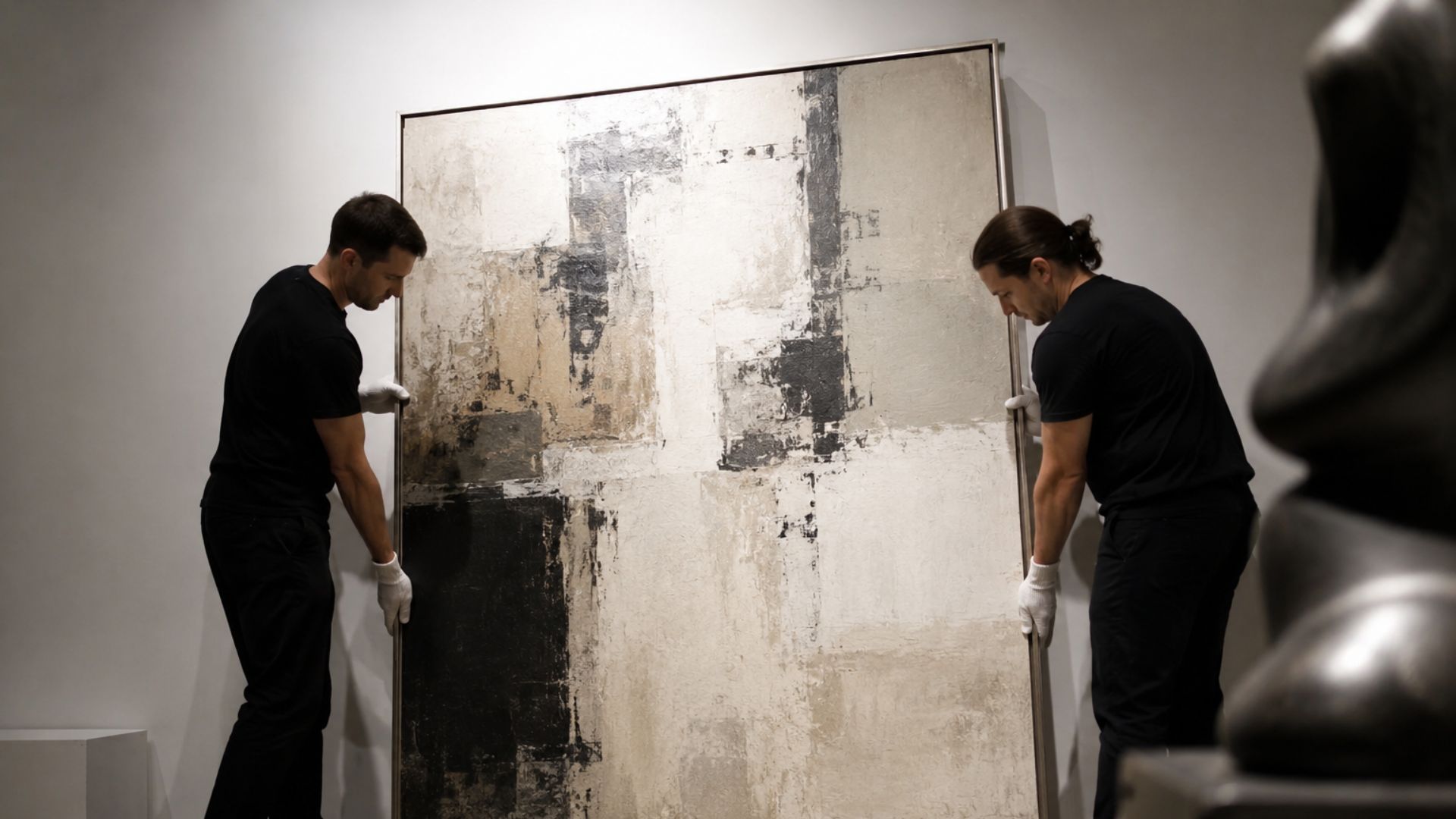
The tips above will work well for all domestic artworks but there will be times when you should call a removal specialist with a keen interest in moving artwork. You should always seek professional help if;
- Your original artworks are worth several thousand dollars or more
- You are moving antique frames, sculptures or mixed media artworks
- You need to move a quantity of artworks in one relocation
- The pieces that you are moving are outsized or uniquely shaped
- The artwork needs to be moved inter-state or any significant distance
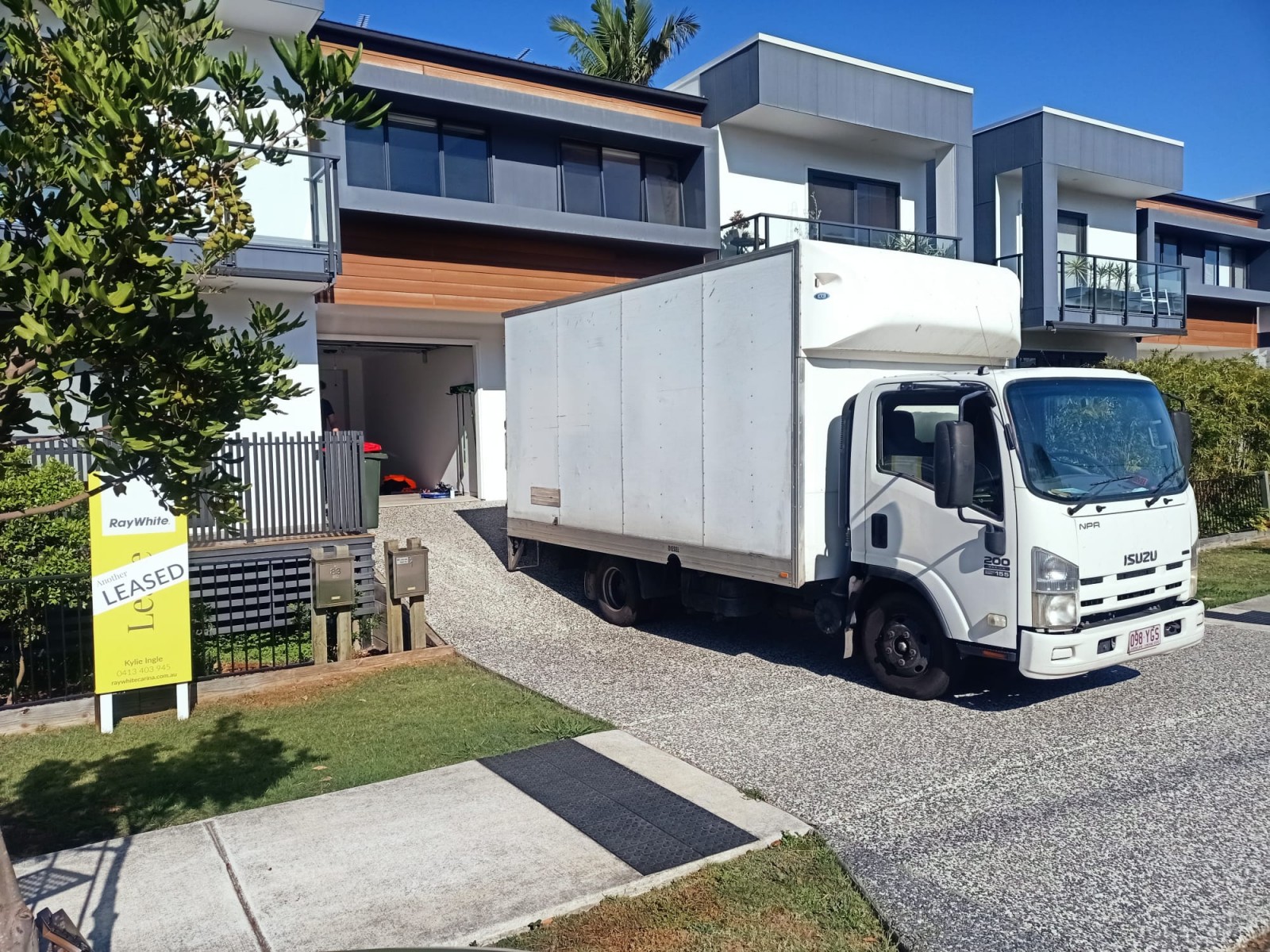
The highly professional and experienced team at AU Safe Removals are experienced in moving all kinds of household goods using the appropriate method and equipment to ensure everything arrives safely including valuable paintings and artworks.
Checked Out: How much does it cost to hire a removalist in Brisbane
Quick Tips For Moving Artwork Safely: A Summary Checklist
- Photograph the artworks before you begin packing
- Use acid free tissue or glassine paper as the first layer (never newspaper)
- Secure glass framed pictures by applying painter’s tape in a grid pattern
- Wrap in bubble wrap with the bubbles outward
- Use corner protection on frames
- Use picture or mirror boxes whenever you can
- Label your boxes well, including FRAGILE and THIS SIDE UP
- Move paintings only on their edge (not flat)
- Do not leave packed artworks in a hot car.
- Use a climate controlled storage facility for valuable artworks
Also Read: Easy tips for moving heavy furniture
Conclusion
Whether you’re shifting your prized Picasso or one of the kids’ masterpieces, transporting art and paintings during a house move can be less than stress-free. However, with adequate packaging, sufficient preparation and reliable removalists in your corner, your beloved artworks will arrive at your new home in immaculate condition.
Taking the time and effort to ensure your art is adequately protected during a house move is always worth it – and when in doubt, leave it to the professionals.
For a smooth, damage-free move in and around Brisbane call AU Safe Removals today
FAQs
Q1: How should I wrap paintings for a house move?
First of all wrap your paintings in acid-free tissue paper then use bubble wrap with bubbles facing out. Add corner protectors, pack the paintings into a picture box and clearly label it, “Fragile – This Side Up”.
Q2: Should my paintings be transported on their side or stood up flat?
Never transport paintings lying flat on their sides – there is a greater chance of objects being stacked on top and cracking the canvas, smashing glass, and damaging frames. Your paintings should always be transported vertically, standing on their sides.
Q3: Which packing materials are suitable for works of art?
Use acid-free tissue paper, bubble wrap, corner protectors and purpose made picture boxes. Never use newspaper as ink will leach onto your painting and can leave permanent, irreversible marks on your artwork.
Q4: Can humidity damage my paintings during the move?
The high humidity in Brisbane can stretch canvases and crack paint. You must avoid leaving artworks in very hot vehicles and use climate-controlled storage if there is going to be a delay between the house move.
Q5: When is it best to call professional removers to move my artwork?
If you are moving originals, valuable artwork, antique frames, large canvas pieces or you have a significant art collection you should seriously consider using the services of professional removalists. They have appropriate methods and equipment to move your artwork without damage occurring.