
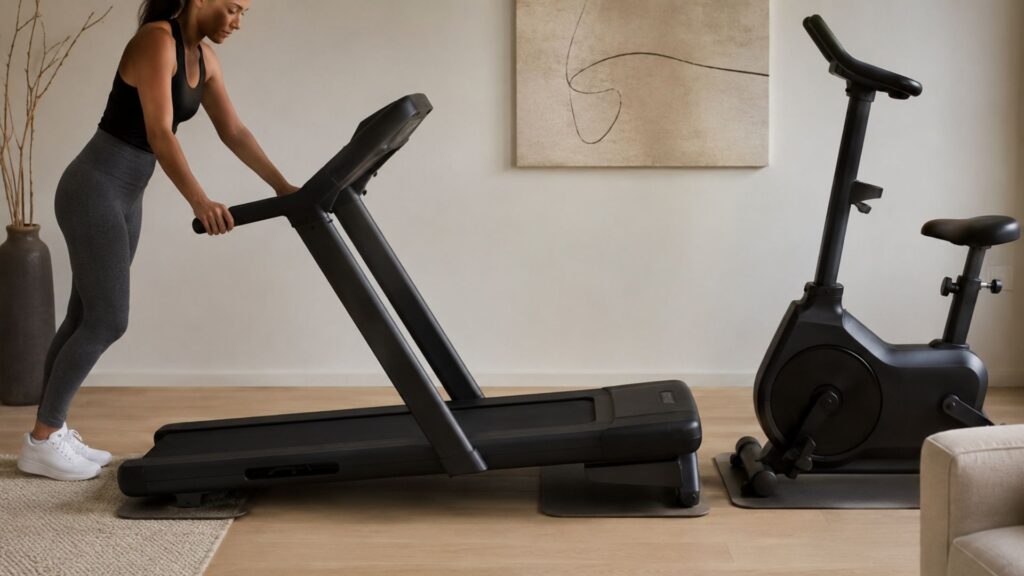
While moving a treadmill or an exercise bike might not sound difficult, anybody who has ever had to move heavy exercise equipment knows that this task can become quite complicated. Apart from personal safety, there is also another factor that one needs to consider, which is the safety of your floors. Any small mishap may cause deep scratches in the floorings that are made out of wood, tiles, laminate, or even dents in the vinyl flooring.
When you are re-arranging the furniture or making renovations to your room, or when you are just moving houses, being aware of the proper way to transport a treadmill or exercise bike can help you save hundreds or even thousands of dollars by protecting your flooring surfaces.
Why Properly Moving Exercise Equipment Matters?
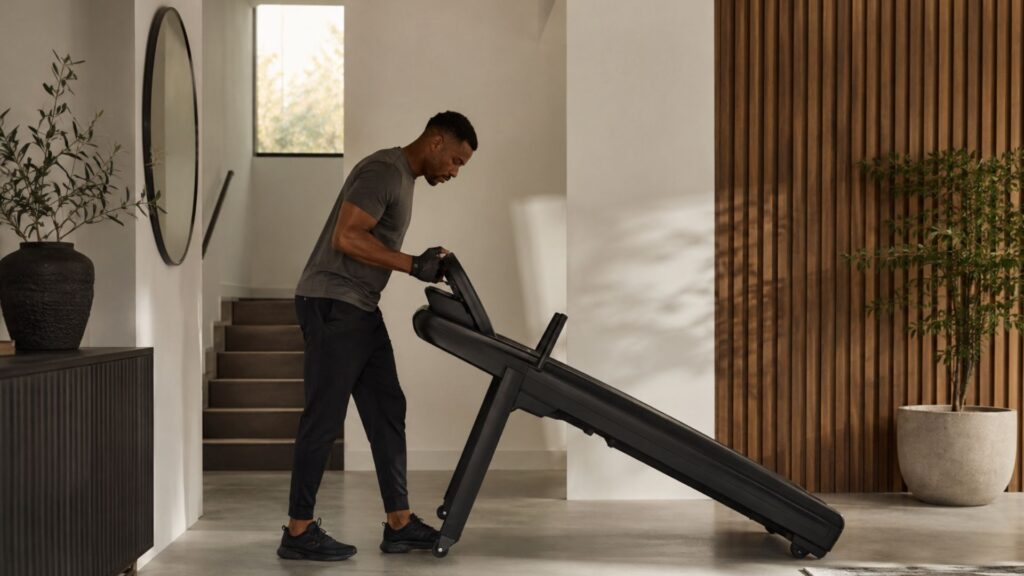
Since home fitness machines are built to last, it is only right that they are built to withstand a lot. Treadmills are built to be between 150lbs to 350lbs, while exercise bikes can range in weight from 95lbs to 150lbs.
As a result of their weight, a treadmill or an exercise bike will be able to:
- Scratch hardwood floors.
- Mark scuffs on laminate flooring.
- Bend or break ceramic or porcelain tile flooring.
- Leave dents in vinyl flooring.
- Tear carpet fiber.
- Destroy walls, doors, frames, and trim areas.
One area that people overlook about these machines is how much pressure would be exerted at the point of contact during movement. Even shifting a few inches would damage the floor, and repair will take quite some money.
Thankfully, there is a way to safely move your treadmill or exercise bike without any damage to either yourself, the floor, or the machine itself.
Assess Your Equipment Before You Move
Before moving, pushing, or rolling it, spend some time analyzing the machine you are going to move.
Analyze Its Weight and Dimensions
Each treadmill and stationary bike is different from others. You will have to determine its weight and dimensions using the owner’s guide:
- Weight
- Width
- Height
- Folding options
- Options of transportation
This information will help you decide on how to move the machine and whether you will need any assistance.
Decide Whether You Should Dismantle Any Parts
Some parts can be quickly dismantled, which will make it easier to move the machine and reduce its weight.
In case of a treadmill, these parts may include:
- Safety key
- The console display, if detachable
- Extra side parts
And in case of a stationary bike:
- Pedals
- Water bottle holders
- Screws and monitors
- Handlebars
Adhering to these tips will minimize the risk of injury and damage.
Study the Guidelines on Transporting
The guidelines on the proper transporting of a treadmill or bike are provided by the manufacturer. You should always adhere to them.
Important Tools for Moving a Treadmill or Exercise Bike
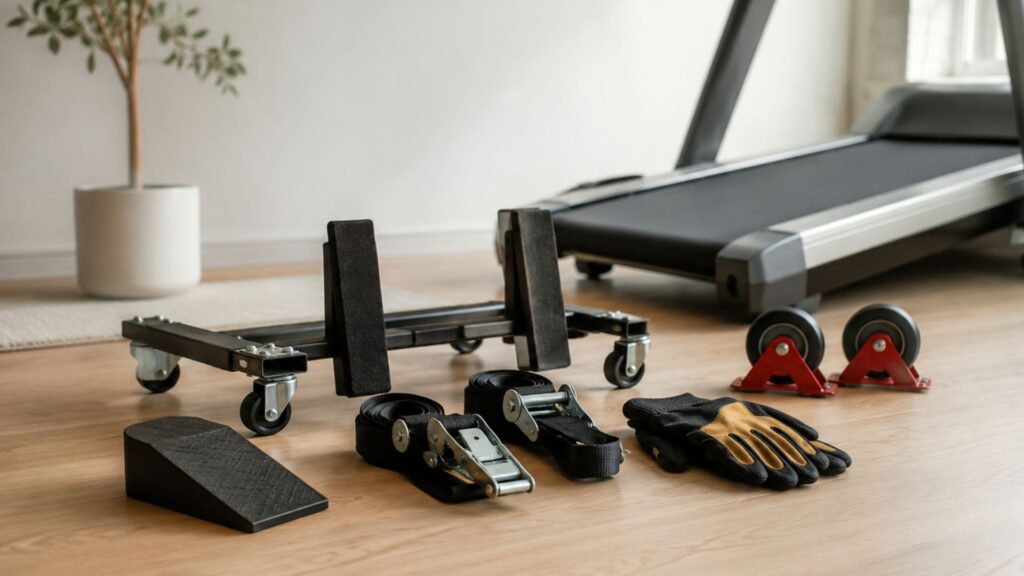
The major error in moving such devices is that homeowners try to do this without any moving supplies.
Using proper moving supplies will allow you to decrease potential damages.
Furniture Sliders
Among supplies needed for moving such equipment, it is necessary to mention a furniture slider, which is an indispensable item helping to save floors.
Some of the benefits of these supplies include:
- Reducing friction
- Preventing scratching
- Aids in moving with the heavy items
- Helping to protect hardwood, laminate, and vinyl floors
For hard floors, you need felt sliders, while plastic sliders should be used in case of carpeted floors.
Moving Blankets
To prevent walls and floors from any damage caused by moving equipment and to ensure protection of the machine, you need special moving blankets.
For better effect, you can cover the area through which your equipment will pass.
Dolly/Hand Truck
Using a powerful appliance dolly makes moving safer and more convenient for people.
Such an item has many benefits, including:
- Saving your back from stress
- Better control over the object while moving
- Less stress to floors
Extra Moving Supplies
Among other supplies, there are:
- Cardboard sheets
- Rubber floor mats
- Plywood sheets
- Carpet Protection Film
How to Move a Treadmill Without Damaging Your Floors?
The treadmill is perhaps the hardest item to move around the house since it occupies the largest amount of space and has an extremely sturdy frame.
Here’s how to do it safely:
Step 1: Disconnection and Preparation of Equipment
Disconnect the treadmill from power.
Do the following:
- Remove the safety key
- Bundle electrical cords properly
- Use tape if needed
Doing so helps avoid any damage to cables while moving them.
Step 2: Folding the Treadmill
In case you own a treadmill with a foldable frame, use its mechanism and lock it.
Advantages of folded treadmills include:
- Taking less space to move
- Being more manageable
- Having lower chances of hitting walls or other obstacles
Remember to double-check that it is locked.
Step 3: Floor Covering Along Moving Path
Look at the whole route first.
Protect your floor by using:
- Furniture sliders
- Cardboards
- Moving blankets
- Special floor protectors
Be extra careful when dealing with floor transitions and sharp turns.
Step 4: Moving the Treadmill with a Dolly or Transport Wheels
Although many treadmills come with transport wheels, there is a possibility that they will harm your floors.
In order to avoid this:
- Use a strong dolly
- Put down sliders at the points of contact
- Proceed carefully
It is not recommended to move a treadmill through an uneven floor.
Step 5: Moving a Treadmill With the Assistance of Other People
As treadmills are very large and cumbersome objects, you should move them with the help of other people.
- A person can guide the machine while the other one stabilizes it.
- Hastiness during the process might lead to injuries or damage to the floor.
How to Move an Exercise Bike Safely?
Even though a stationary bike is lighter to move than most home exercise machines, including treadmills, caution should always be exercised when moving the bike.
Disconnect Removable Accessories
Detach the following removable parts:
- Monitors
- Water bottles
- Pedals
- Storage racks
These steps will make the exercise bike lighter and lessen the chances of damage.
Use Transport Wheels
Exercise bikes come with transport wheels at the front end.
How to properly use transport wheels:
- Position yourself at the back of the bike.
- Tilt the bike according to the instructions provided by the manufacturer.
- Push the bike forward carefully.
- Do not do sudden turns.
Protect Floorings While Using Transport Wheel
A common mistake that occurs when moving the machine is dragging the machine on the floorings.
How to avoid the mistake:
- Use sliders underneath the bike
- Raise the bike when moving it
- Control the movement
Dragging the bike can cause severe damage to the floorings and cost a lot of money.
Best Practices for Different Flooring Types
Different flooring materials have different reactions to weight.
Hardwood Floors
Hardwood flooring is aesthetically appealing; however, it is highly susceptible to scratching.
Precautions for hardwood include:
- Using felt furniture sliders
- Keeping floor clean
- Not dragging equipment
- Placing protective mats on the path taken
Tile Floors
Tile is durable to handle heavy weight; however, tile is highly susceptible to cracking.
Precautions for tile include:
- Ensuring even weight distribution
- Using plywood sheets where necessary
- Avoiding drops of heavy equipment
- Being careful near grout lines
Laminate Flooring
Laminate flooring is easily chipped and scratched.
Moving laminate flooring safely requires:
- Using sliders under all points of contact
- Avoid twisting actions
- Walking slowly near seams and joints
Vinyl Flooring
Vinyl flooring is easily scratched and dented.
Precautions for vinyl flooring include:
- Covering floor while moving equipment
- Ensuring even distribution of weight
- Avoiding sharp turns while using transport wheels
Carpeted Floors
The presence of carpeting increases friction and thus makes moving heavy items more challenging.
Moving precautions in this regard include:
- Using appliance dolly
- Using moving boards for protection
- Vacuuming carpet after move
Common Mistakes That Damage Floors
| Common Error | Reason for Causing Floor Damage | Better Solution |
| Dragging Items | Causes scratching, denting, and damaging of floors due to scratching, scuffing, and making permanent marks on wooden floors such as hardwood, laminate, and vinyl. | Using furniture sliders, using a dolly, or lifting equipment helps avoid damages. |
| Moving Solo | Not having control might result in dropping, impact, and floor damages. | Moving with another individual is recommended. |
| Lack of Floor Protection | Heavy equipment directly touching the floor causes floor damages. | Protecting floors using pads, mats, cardboard, or floor sliders avoids damage. |
| Failure to Measure | Heavy items might be too big and not pass through doorways. | Measuring doors, hallways, stairwells, and elevators is necessary. |
| Moving Too Quickly | Damage is more likely if you move too fast. | Move slowly and have full control. |
When Should You Consider Using a Professional Mover for a Treadmill and Exercise Bike?
Though not all exercise equipment is too difficult to move on your own, some pieces need professional skills to ensure they reach their destination safely. Our team at Ausafe Removals knows how complicated a relocation of exercise equipment like treadmills, exercise bikes, or even an entire set of home gym equipment can get.
We suggest hiring professional fitness equipment movers when:
- Your treadmill weighs more than 250 pounds.
- Stairs and different levels are part of the moving process.
- You have a sensitive wooden, tiled, or vinyl floor.
- You have limited access to hallways or doors.
- When you have your own commercial-grade gym equipment.
With proper tools and experience, our removalists will make sure your equipment reaches its destination without causing you problems or any additional costs.
Final Thoughts
Moving a treadmill or even an exercise bicycle will require some planning, as well as the use of proper movers’ equipment, as well as sufficient protection for the floor to prevent it from scratches and dents. Dollies, sliders, and other materials could be used in order not to damage the floor or the exercise machine. If the machine is quite heavy or there are some stairs involved, Ausafe Removals professionals could be hired to handle the job.
FAQs
What is the most efficient way of moving my treadmill?
This consists of unplugging it, folding it if possible, using sliders or dollies and moving very carefully while having at least one helper to assist you.
How can I avoid scratches or dents on my hardwood flooring?
Furniture sliders, moving blankets and special floor protection matting will serve to preserve your flooring while moving your exercise machines.
Will pulling my stationary bike harm the flooring?
Pulling may cause scratching or scuffing; therefore, you need to either lift it slightly or install transport wheels.
Are there some supplies that I need to have on hand?
Certainly, dollies, sliders, straps and moving blankets are essential to move the machines without difficulty.
Should I disassemble the equipment first?
Absolutely, since you will have to decrease weight as well as protect the flooring.
How many people are needed for the transportation of the treadmill?
The minimum number of people who can move the treadmill and keep control over it is two.
What type of flooring can get damaged while moving the treadmill?
Hardwood and vinyl floors are easily scratched and damaged when moving treadmills or other heavy equipment on them.
Under what conditions must you consider hiring professional movers?
When you are moving your treadmill upstairs or any heavy items, you will need professional moving services.