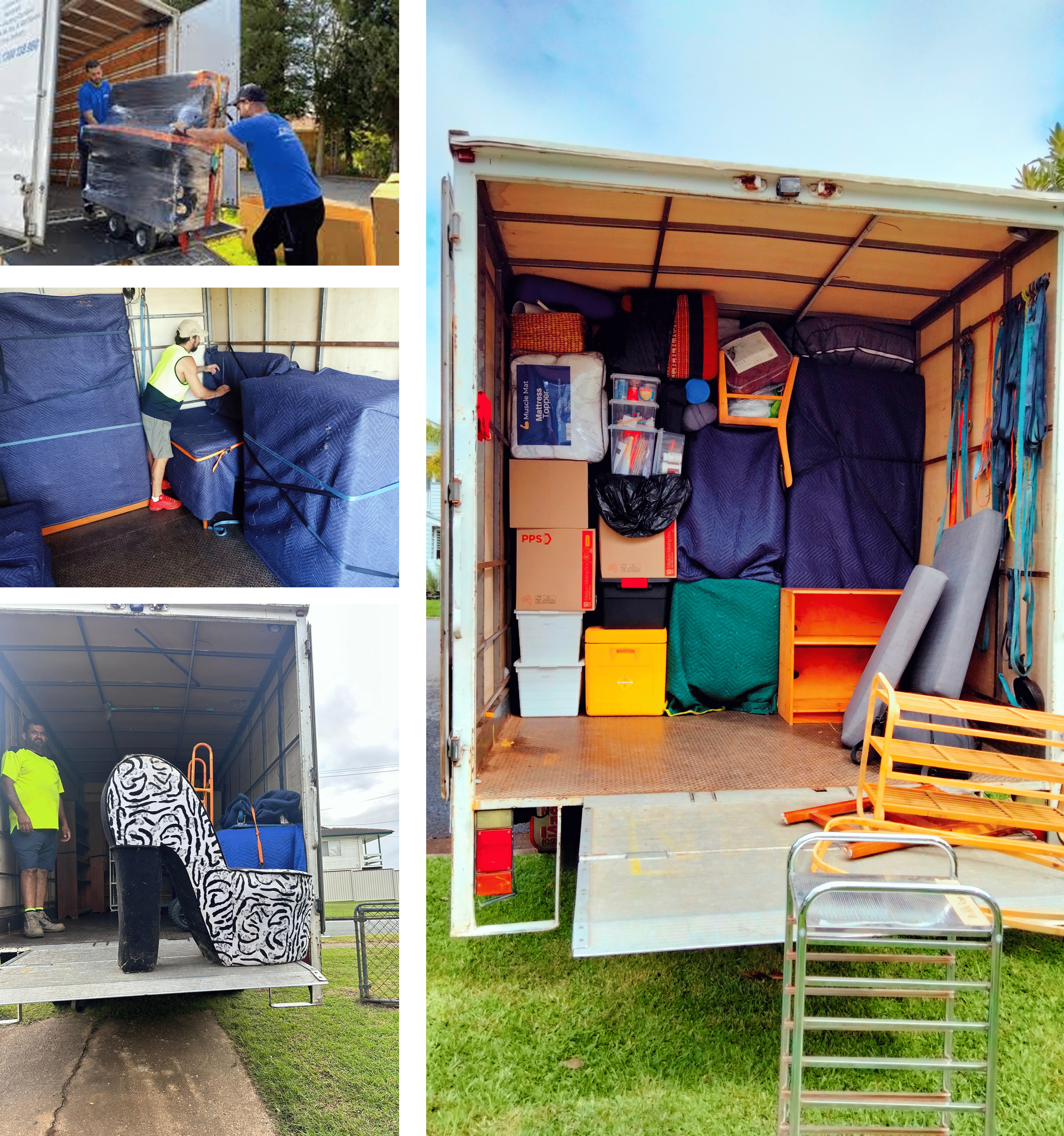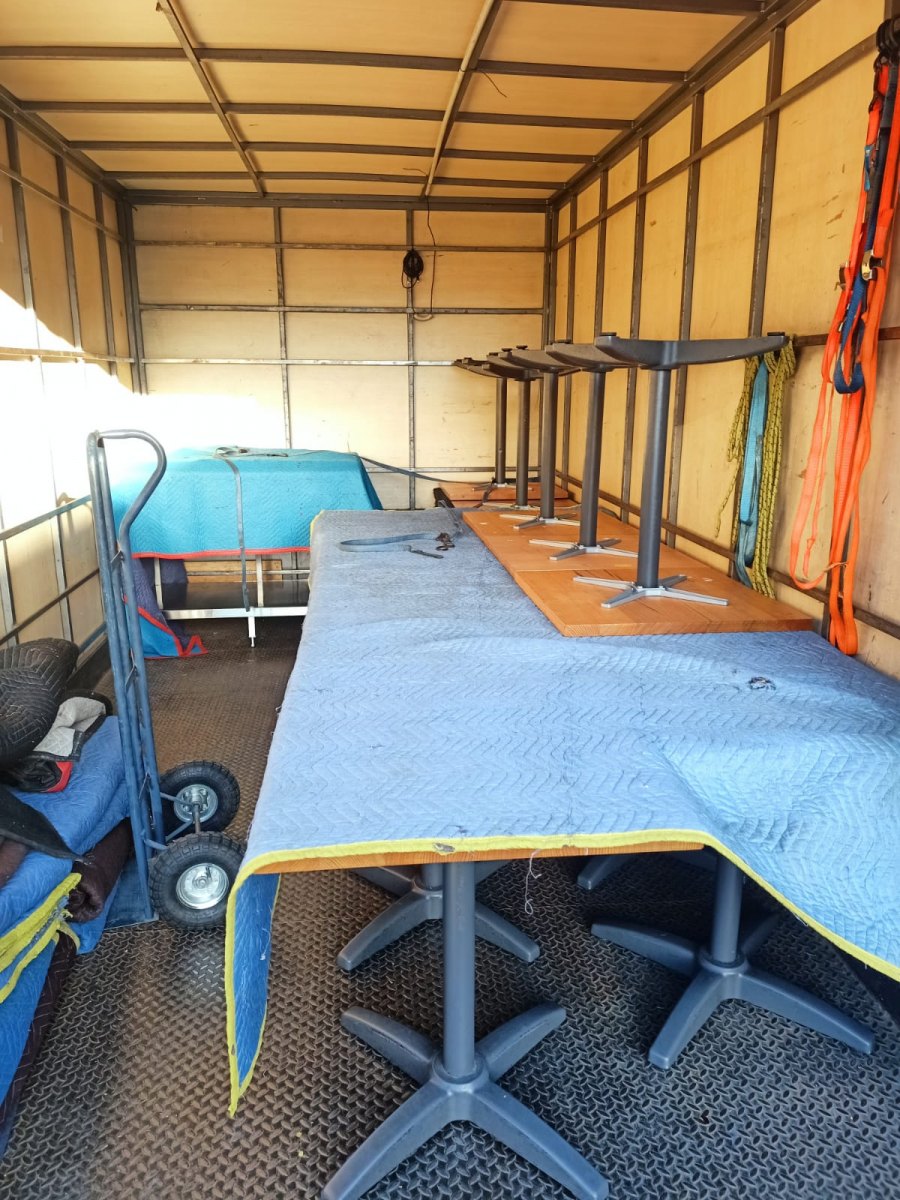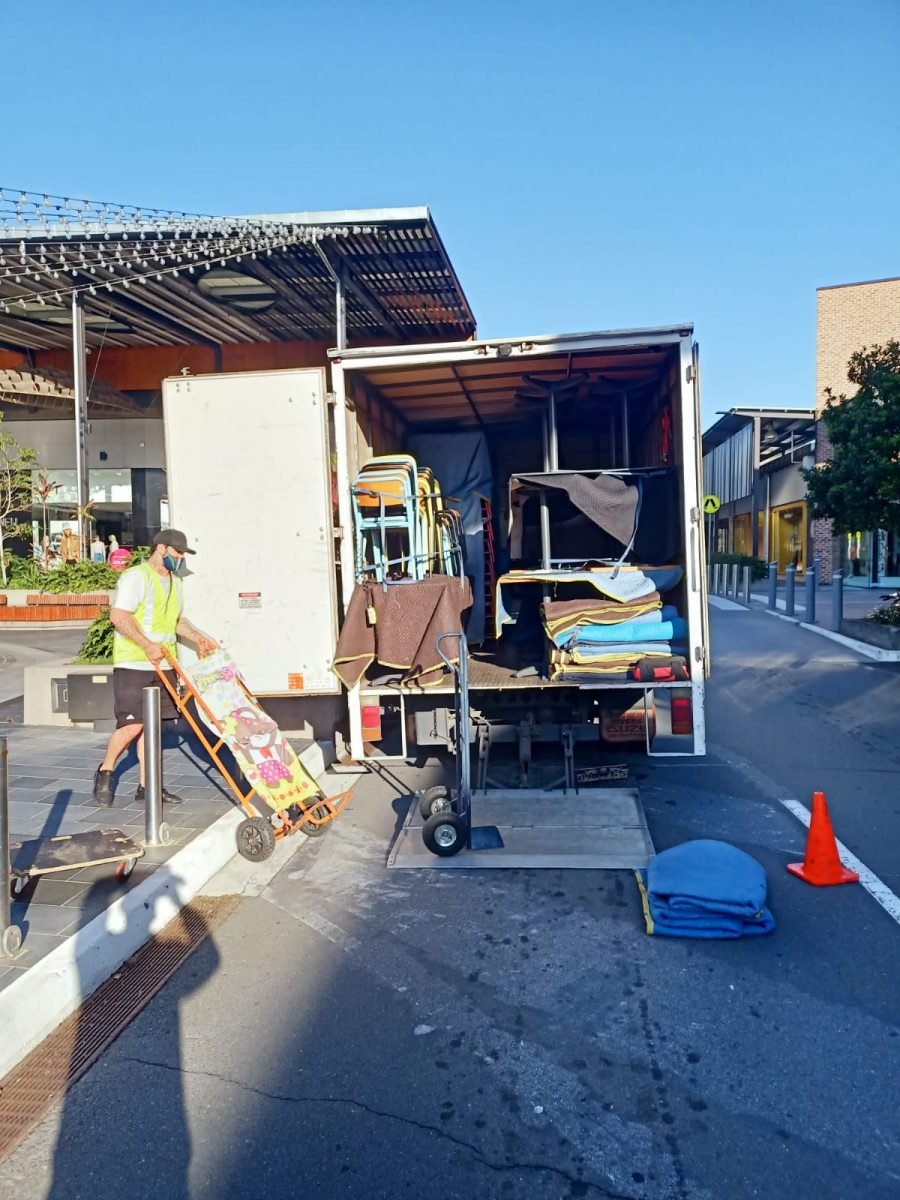
Being born into an unfamiliar territory whether a residence or an office space is quite exhilarating but it does come along with its fair share of stress especially when you have to trust strangers with your valued possessions. Removalists, which is another name for moving companies, come into play so as to facilitate the process of moving so that the efforts could be minimized. One of the concerns people are worried about before moving is that of: ‘What if something breaks while in transit?’
Are the removalists responsible for any damages that might arise from providing such services or are you as the client left to sort out the problem yourself? This article will cover all there is to know about liability while moving.
Why Is Understanding Removalist Liability So Important?
The moment you engage removalists, you hand them the control over all your belongings. But that does not automatically mean that all of them are now liable for everything. This may vary based on your responsibilities towards each other along with those imposed by law. Getting acquainted with this concept is vital since it will prepare you for any losses incurred during relocation.
Normally, removal companies have a duty of care while removing your belongings. That means that they should take care of your items and package them carefully. Should removals company violate these duties and cause any of your belongings to get lost, you would be able to make a claim against them. Nonetheless, it is not always like this.
Significant details about the liability of removalist:
Forms of liability
Legislative liability comes as a result of the law aimed at protecting the rights of customers in your state. The liability according to the contract appears in the contract made between you and removalist services.
Most companies have limited liability
They usually put some limitations concerning the amount of money paid for the loss or damaged item, which usually exceeds the value of lost item.
Contract terms are also significant
There are always some exemptions from the contract concerning the payment in case of damaging fragile items packed by yourself, others, or due to the occurrence of natural calamities, etc.
Proof of negligence is sometimes required
Sometimes, it is required to prove their negligence in causing damage to receive any compensation.
Buying transit insurance could be considered
Removalists will also propose additional transit insurance, which ensures full compensation, and you should think of buying it.
Your responsibilities as a customer
Sometimes, it is necessary to provide removalist services with a list of valuable items, along with other requirements.
What Types of Damages Can Actually Occur?

Many kinds of damage may happen during the moving process, ranging from minor damage to serious damage. It is necessary for you to know about all possible risks and prepare for them properly.
Physical Damage
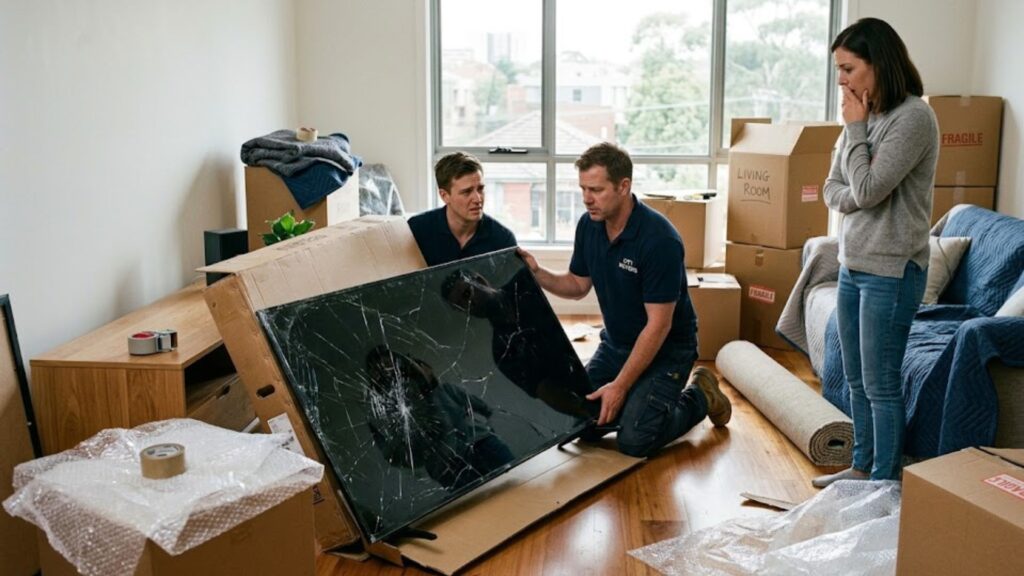
The first type of damage that usually happens during moving is physical damage. Physical damage happens when people transport things. This kind of damage includes damaged furniture, broken glasses, scratches, and dents if people have to take sharp turns or move down the stairs.
The most common types of physical damage include:
- Busted bed, table, or chair
- Cracked mirror or broken glass table
- Scratched wood or other materials
- Damaged refrigerator or washing machine
For More Information Read This: How do Movers Pack Appliances Before Moving?
Losing Personal Belongings
One of the biggest problems that people face while moving their belongings is lost items. When there are many packages being moved, the risk of losing some of them increases considerably. Such items may be very valuable, but too small to detect easily or unpacked properly.
Some conditions where loss of item occurs are:
- Loss of the packed boxes while transporting the same.
- Losing your personal property such as jewellery or documents.
- Forgetfulness and leaving something at the moving truck.
Property Damage
One of the risks involved when moving is the damages that may occur to the properties, whether it’s to your old house or new one. Damages result when transporting the heavy items from one place to the other.
Examples of damages:
- Damaging the walls and floors of your old/new house.
- Damaging the door frame/stair railing.
- Cracked and broken tiles.
- Damaged elevators/ hallways of the apartments.
Unseen Damages
Finally, we have hidden damages, which may take some time before they appear. Hidden damages occur in such a manner that you will notice them only during unpacking.
Some features about hidden damages include:
- The items may look perfect outside, yet be damaged internally.
- Hidden damages can be noticed after many days in your new apartment.
- If you delay making the claim, compensation may not be possible.
When Are Removalists Responsible?
Removalists can be held liable for damages caused due to negligence on their part or careless handling of your possessions. For example, carelessness during transport or poor packing of goods may put movers at fault for the losses incurred due to it.
Negligence may take many forms. Dropping your furniture, improper stacking of boxes, or improper handling of fragile items are a few examples of such conduct. Here movers failed to maintain the standard of care that was expected of them.
Removalists may also fail to deliver the services specified in the contract. For example, providing no packing material for your items, even though the arrangement has been made before, may be considered negligence. As a consequence, liability for the losses may arise here.
Finally, companies must be held liable for the conduct of their employees. Although the above cases were listed as reasons that might be considered as grounds for fault, negligence may still occur due to poor training or lack of diligence on part of removal companies.
This is why it also important to know What tools do removal companies use?
Finally, you should know that removalists should comply with the instructions given to them.
When Are Removalists NOT Responsible?
It should also be mentioned that removalists may not be responsible for some cases of damages caused during relocation. For example, removalists may not be responsible in cases where the damage to property had already been done prior to the relocation service being used. Consequently, before you use any removal services, it is necessary to document your property’s condition with photographs and other documentation.
Another case where removalists may avoid liability concerns the situation where the goods have been packed wrongly by themselves. In this regard, it is important to note that your contract with removalists might include clauses that remove their responsibility for the damage to such property.
Furthermore, in case if the object to be moved is fragile, valuable, or antique, then the removal company might wish to sign a separate contract concerning its liability.
Finally, it is important to consider that sometimes the damage caused is an unavoidable part of relocation. Such incidents are often referred to as ‘force majeure’ in contracts with removalists.
It should be noted that liability is often limited in contracts with removalists.
Does Insurance Really Cover Damages in All Cases?
This is precisely why it is critical to have some sort of an insurance plan when moving for your assets’ protection. The standard insurance offered by most companies will usually not suffice and typically does not include all the worth of your possessions.
A wide range of insurance plans can be purchased for moving, such as Transit Insurance and All Risk Moving Insurance and much more. Basically, they cover you from a couple of aspects – while moving or even throughout the whole moving process.
At times you will need to purchase third-party insurance in order to add an extra layer of protection for those possessions you find important.
This means that insurance compensates for any damages your belongings suffer when moving, such as damage or theft.
What Should You Do If Damage Actually Occurs?
| Steps | Action | Reasons and/or Details |
| Check on items as soon as possible | Check immediately | When you retrieve your items, inspect them to see whether they are damaged and whether everything agrees with your list of belongings. |
| Document damage in writing | Use pictures/videos | The smart thing to do would be to document your losses together with the details about how your possessions are damaged. |
| Inform the removalists firm | Do so immediately | Remember that time is critical when lodging your claims because most companies have timelines in which your claims must be made. |
| File a claim | Ensure that your documentation is complete | It is always recommended that your claim contains documentation of your loss, an inventory of items, and their values. |
What Are the Best Ways to Reduce the Risk of Damage?

Even though you might not be able to completely eliminate the occurrence of any problems during the moving process, there are some measures you can take to ensure minimal damages. It might be attributed to poor handling, inadequate planning, and lack of communication.
It is always wise to hire a reputable and qualified removal company for the relocation process. This means that the removalists will handle your belongings with a lot of care, and it will be reflected on the company’s online reviews.
Also Read: Easy tips for moving heavy furniture.
The next thing is to study the contract thoroughly and ensure that it contains the following provisions:
- Compensation and liability
- Coverage of insurance
- Limitations and exclusions
Hiring professional packers Ausafe Removals will also help you avoid damages. Besides providing quality packaging services, it ensures that the removalists will be liable for any damage caused to the belongings.
Remember to label all fragile items, such as glass bottles, with tags like “Fragile” or “Handle with Care.” This will indicate their delicate nature to the removalists.
Lastly, you should develop an inventory list of all items you intend to move.
Conclusion
It is possible that the damages can be inflicted by removalists; however, their liability will be limited due to the contract terms and particular conditions. Although removalists have to handle your belongings responsibly, this does not necessarily mean that all the damages will be compensated accordingly.
The key things that you need to do in order to ensure your protection during the relocation process include gaining knowledge regarding your rights, reading the contract thoroughly, and insuring your belongings. It is always better to make an inventory of your belongings and deal with the company efficiently, thereby reducing the risk of any complications.
In conclusion, it will be possible for you to save a considerable amount of money while avoiding stress.
FAQs About Are Removalists Responsible For Any Damages
What kinds of damages are generally covered by removalists?
Damages that are caused by mishandling when loading, moving and unloading the removed properties can be covered by the removalist. Nevertheless, whether the removalist will cover such damages depends on the type and level of damages.
Do removalists cover the cost of damaged goods?
This does not necessarily have to be the case because most removalists do not provide complete insurance coverage for damages incurred. Removalists give partial cover for the cost of damages based on the weight or value of the damages.
What should I do if your goods are damaged?
In case your goods are damaged, one should conduct an assessment and document the damages and report the matter to the removalists immediately. It is recommended to write a formal claim letter with the supporting documentation.
Is it possible that my insurance covers all moving damages?
It all depends on the type of your insurance. Basic insurance might not provide full coverage, but comprehensive insurance is much more likely to cover many things. Certain insurance agencies do not provide their services for packing fragile items and unpacking them as well.
How should I protect my belongings from moving damages?
First, choose a reliable removal agency; second, study the conditions of your contract; third, use the services of professional packers. Label all your fragile goods correctly, maintain the list of your possessions. That way, you will reduce moving damages to minimum.