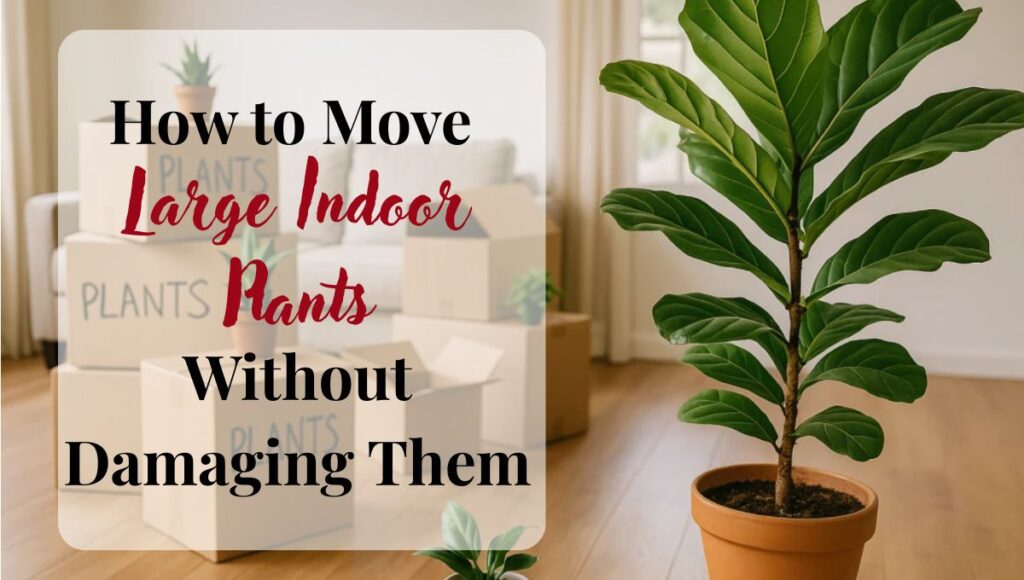
Moving into a house is a big job in itself, but if you are a plant lover, then relocating your lovable plants can be one of the most stressful tasks in the process. Small plants are easy to carry, but what about your favorite bigger ones? They are not just for décor; they are living and breathing companions that can get damaged while being transported.
It doesn’t matter if you are moving across town or interstate; protecting your plants from getting damaged, shocked or temperature change is essential. In this article, we’ll show you how to move large indoor plants safely because smaller ones are easy tasks, but large plants are tough tasks.
Why Moving Indoor Plants Is Tricky?
Your plants are not like furniture or boxes; they are different because they are delicate and sensitive. They easily react to light, humidity, temperature, and movement. That is why not handling and taking care of these plants get damaged. If you didn’t plan its relocation, these mistakes can lead your plants to broken stems or branches, spilled soil, dead leaves, root damage from improper packing, and shock from sudden environmental changes.
How to Move with Large Indoor Plants Without Damaging Them?
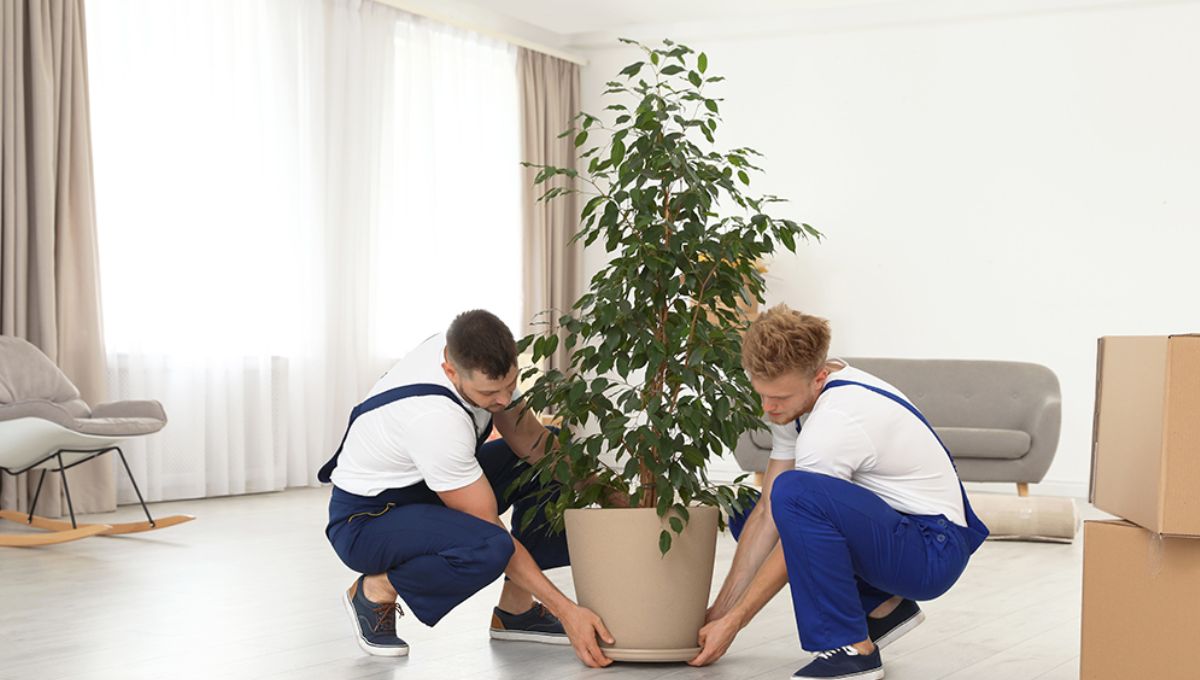
And that’s why giving attention to the right moving techniques that keep your plants safe from any damage makes you stress-free. Here’s a 7 step by step guide on how you can move large indoor plants without damaging them.
Step 1: Plan Your Move Early
Having proper preparation to move your plants 2-3 weeks before moving day can help you in this stressful task. And the preparation means checking the weather forecast- extreme heat or cold can be harmful to your plant.
If you are moving interstate or any long distance, you need to confirm that your plants are allowed to travel across the state border, but some regions have their own biosecurity restrictions.
If you want a professional guide to check a biosecurity restriction, you can contact Ausafer Removals. They can guide you on the regulations, and they also offer secure transport options for your delicate and oversized plants.
Step 2: Prune and Clean Your Plants
Before moving your plants to a new place. It’s better to cut off any dead or too-long leaves so that your plants become easier to carry, and also clean all the dust from the leaves and check for bugs if your plant has any, just clean them so that you don’t bring any pests into your new home or place.
It’s highly recommended to avoid heavy watering right before moving day, because moist soil spills water and makes pots heavier. So, keeping in mind that giving water lightly 1-2 days before moving day helps you a lot.
Step 3: Choose the Right Containers
For those plants with ceramic or decorative pots which easily crack during transit, you need more safety for these kinds of plants, like transferring these plants into a lightweight pot, so that they don’t get damaged. After doing this, kindly wrap the original pots separately and label them for easy replanting later.
If your plant is too big for this method, then just secure the soil surface with any wrap you can use, a plastic wrap, or a cloth. And then tie their branches with it, but kindly and loosely with a soft string to prevent the breakage.
Step 4: Protecting the Plants During Packing
Using these simple packing tips to protect your plants from any chance of getting damaged is Kindly and gently wrap the pot base in bubble wrap or towels. Covering tall plants with a plastic bag or sheet and then poke small holes in the sheet for the necessary air circulation is the best idea to protect your large indoor plant from getting damaged Now you have to keep them upright in the boxes or crates.
After that, fill the gaps which are left in the box with paper or packing material to prevent any damage. You can also hire a professional team for that, like “Ausafer Removals.” They have an experienced team which will handle your plant packing and help to move your plants.
Step 5: Load Plants Carefully
Remember, it’s important to load plants last on the truck, so that after arriving at your destination, the first thing to unload from the truck is your large plant. Also, it’s crucial to avoid stacking boxes on top of them; otherwise, the plants get damaged.
Step 6: Unpack and reacclimate
It’s important to unpack your plants as soon as possible once you arrive at your destination. Placing them in a simpler light condition than what they had before is important, but if you see any leaf loss, don’t worry, it’s a normal process of recovery from moving stress for the plants.
Conclusion
Sometimes moving large indoor plants takes a bit of extra care, but it’s absolutely worth it for your lovable plants. And of course, large plants can be heavy, awkward, and messy to move on your own but with the help of professionals like Ausafe Removals, this task becomes stress-free.
Their professional teams know exactly how to handle your larger plants so that your plants can enjoy a smooth move.
Dont Forget to Check- How to Pack Potted Plants to Ensure Complete Safety
FAQs about How to Move with Large Indoor Plants Without Damaging Them
Can I take my indoor or larger plants when I’m moving interstate in Australia?
In simple words, it depends on the state because some regions have biosecurity laws. It restrict certain plants, which helps to prevent pests and diseases.
Is there any better way to transport my plants?
If you have tall and large fiddle-leaf figs or palms, you need to tie their stems loosely to prevent snapping and place them upright in an open box. If I water my plants before moving, does it affect my plants? Heavy watering leads to moist soil, and this makes pots heavy and slippery during transport. Water lightly at least 2 days before moving.
Do plants get stressed when moved?
Yes, they get stressed when moved, it’s because of their previous surrounding condition. If the conditions are not the same in your new location, this can cause plant stress.
How can I protect my plant leaves during transport?
You need to cover your plant’s leaves with a light plastic or fabric cover. Always put small holes for better airflow for your plant.
How many hours can plants stay in boxes or vehicles?
Knowing how many hours plants can stay is important, as we know that plants are very sensitive. That’s why it shouldn’t be packed for more than 24 hours because, they need air and light for their better condition.