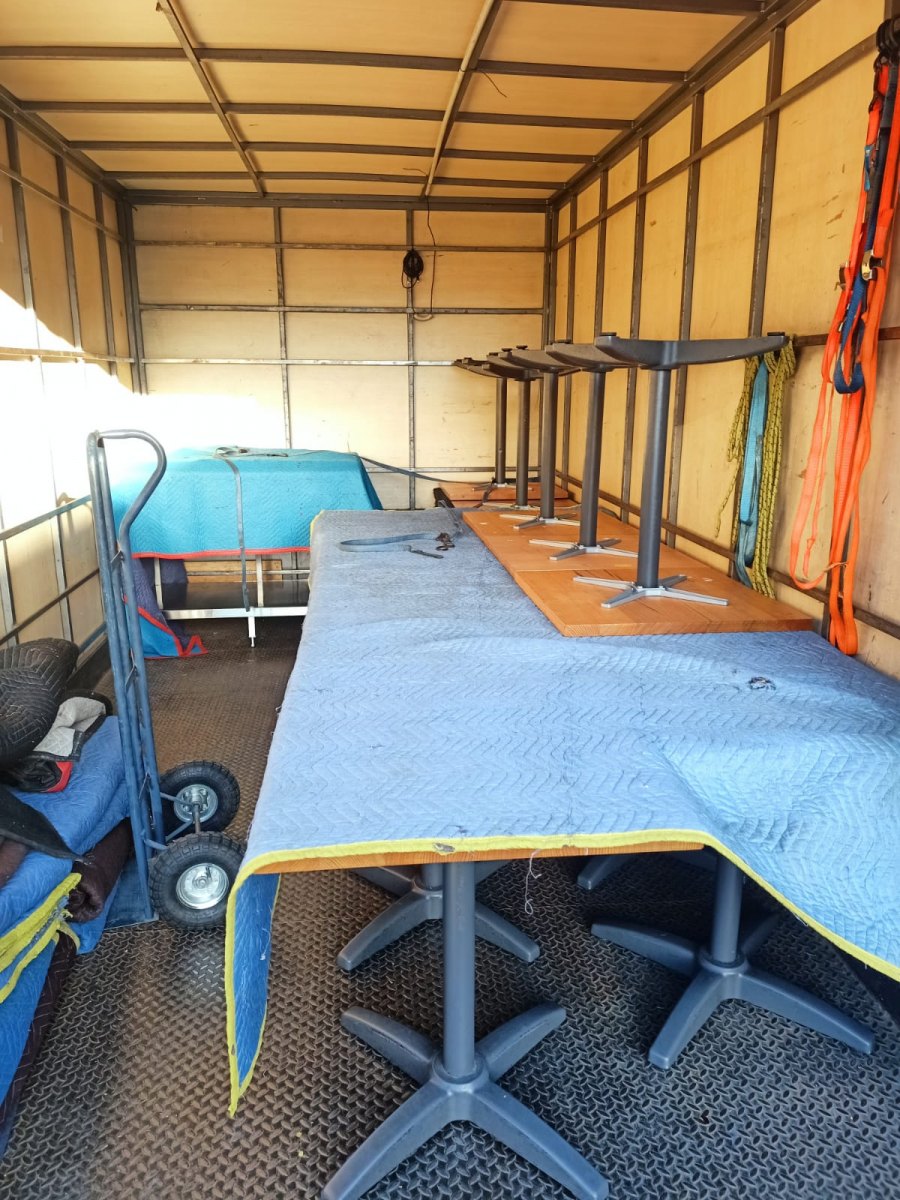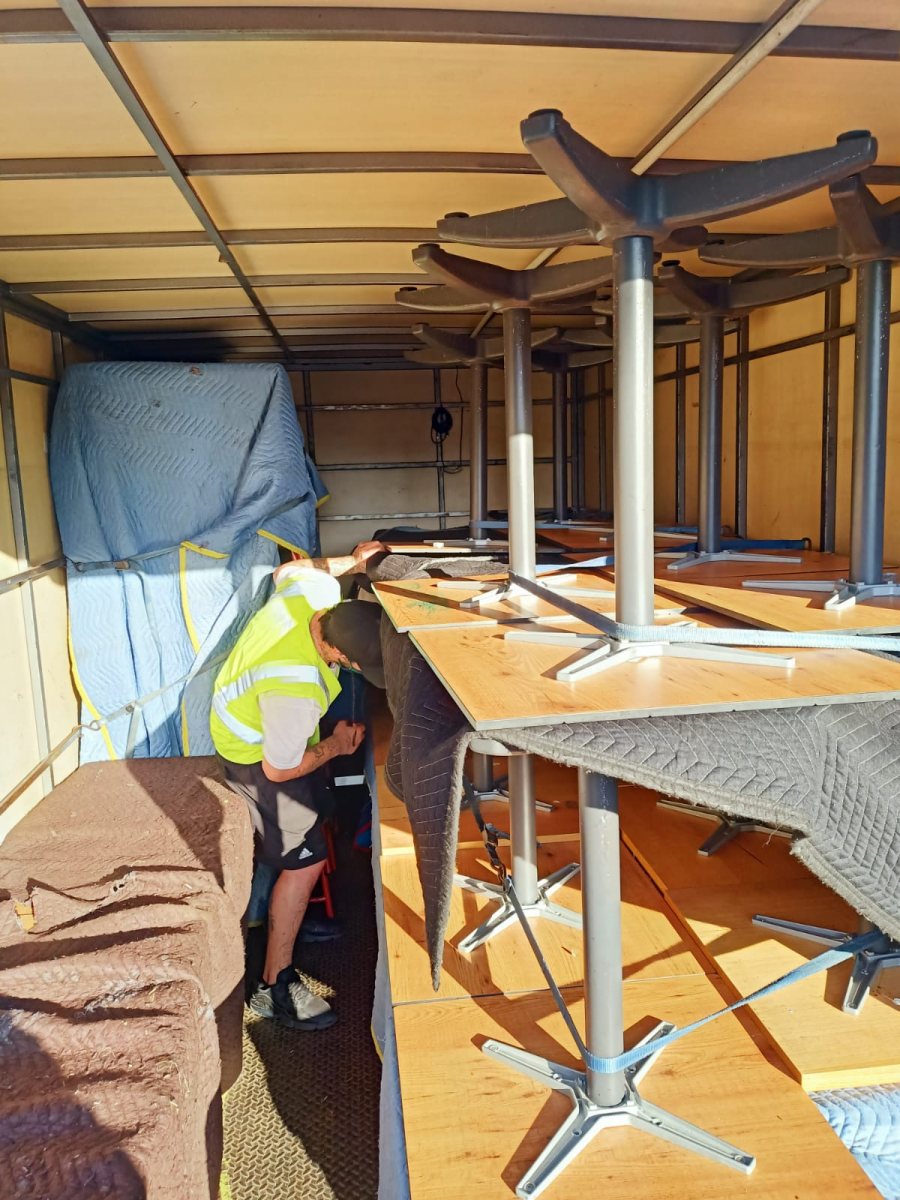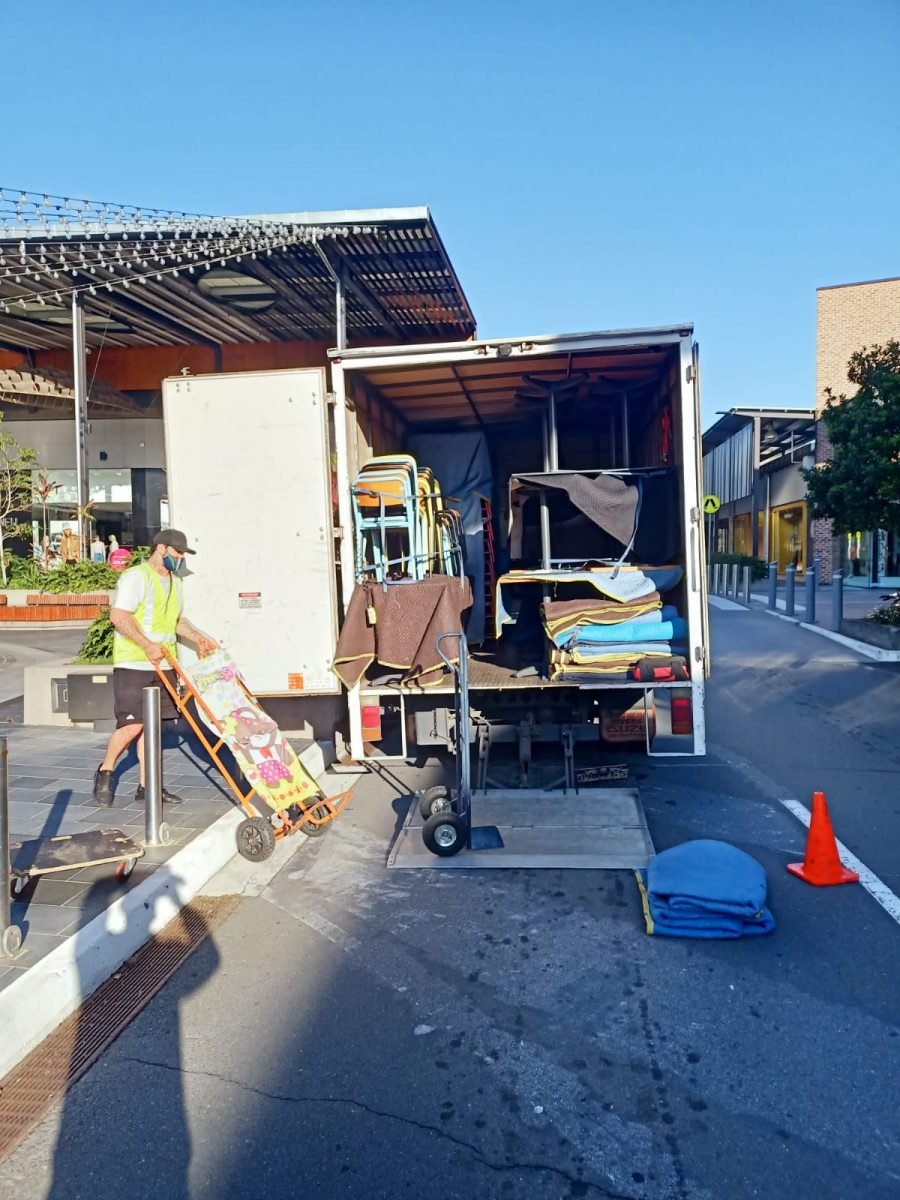
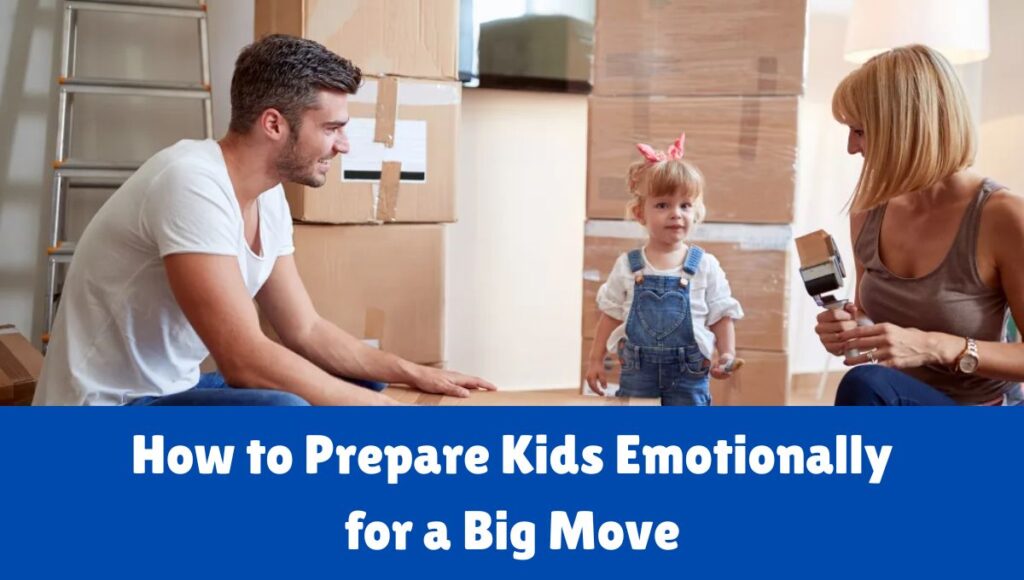
It feels exciting when moving to a new home. But for kids, it can feel like their entire world is being dismantled. While adults focus on logistics, mortgage papers, utility transfers, and finding the right removalists. The kids are focused on what they are losing, like their friends, their school, and the comfort of a familiar bedroom.
At Au Safe Removals, we have seen thousands of families transition across Brisbane and beyond. We know that a safe move isn’t just about protecting your furniture from scratches. It’s about protecting your family’s emotional well-being. Here is a comprehensive guide on how to prepare your children for the big move so that they ensure they feel secure, heard, and even excited about the journey ahead.
Ways to Prepare Kids Emotionally for a Big Move
Tell the News Early and Often
Telling children at the last minute about the move is the biggest mistake that parents generally make. And because of this, this fear sometimes causes unnecessary anxiety. Because in reality, it’s the kids who are highly perceptive. They notice everything: the hushed conversation, the decluttering, and the visits from a real estate agent. They just don’t show.
It’s important to give them time because giving them plenty of lead time. You allow them to process this change at their own pace.
- Be honest: Your children notice everything. Explain why you are moving in age-appropriate terms. For example, Dad has a new job, or we need a bigger garden for a dog.
- Avoid Surprises: Avoiding surprises not only helps them emotionally but also makes them strong for the big day. So use a calendar to mark the Big Day. Because visual aids help children understand the concept of time.
Take care of the Big Emotions.
Validate the big emotions by cheering up with positivity. Like the cool things about the new house. Otherwise, because of ignorance, their sadness makes them feel isolated. If children say, “Hate this moving,” then a better response is: “I hear you. It’s really hard to leave your friends, isn’t it? I’m going to miss our old park, too.”
By giving validation to kids. It builds the bridge of trust between parents and children.
Involve Kids in the Moving Process
Children feel more secure as they feel included. Giving a sense of control, no matter how small, can make a big difference.
Ways to involve:
- Let them choose the color or decorations of the room
- Allow kids to pack a special First Night box
- Ask for input when planning a new room layout for children
Say Proper Goodbyes
One of the hardest parts of moving for children is leaving people and places which are loved by them. Rushing through goodbyes can leave kids feeling unsettled and unresolved.
Help them say goodbye by:
- Organizing a small farewell with friends
- Taking photos of their favourite places
- Creating a memory book or scrapbook
- Writing letters or exchanging contact details
Remind them that goodbye doesn’t always mean forever. Technology makes it easier than ever to stay connected.
Maintain Routine Rhythm
A disturbing routine makes the home uncomfortable. So try to keep some things Normal in the routine in the family. Especially in the house, which is inevitably filled with boxes and bubble wrap. Meal and Bedtimes: Keep the daily routine in rhythm as it always goes by. If you always have pizza on Monday or read a book before bed, then keep doing it.
Prioritize Their Space: Parents should provide a sense of safety to the kids. So pack the kids’ room last and unpack them first to make them more comfortable in the best idea that parents can do.
Lean on Professional Help
A stressed parent often leads to a stressed child. So parents are overwhelmed by the physical labor of packing and lifting then won’t have the emotional energy to support kids. Hiring professional removalists like Au Safe Removals allows you to focus on the Human Side of the move. While handling the heavy lifting, furniture disassembly, and secure transport. Parents can spend that time sitting with children, answering their questions, and exploring the new neighborhood together.
FAQs about How to Prepare Kids Emotionally for a Big Move
1. At what age is moving most difficult for children?
While every child is different, school-aged children 6-12 and teenagers often find it the most challenging because their social lives and sense of identity are closely tied to their peer groups and school environment.
2. How do parents help a toddler who doesn’t understand what moving means?
Use Social Stories or picture books about moving. Explain that the Big truck (the removalists van) is like a suitcase for our furniture. And that everything going into the boxes will come back out in the new house.
3. Should parents take the kids to the new house before the Ausafe Removals move in?
Absolutely, parents can. If the house is local, then take them for a walk around the new neighborhood.
4. If the child is regressing (e.g., bedwetting or clinginess) during the move. Is this normal?
Yes, this is very normal. So, just be patient and provide extra comfort. Usually, once the routine is re-established in the new home, these behaviors subside.
5. How long does it typically take for a child to settle into a new home?
Most experts suggest it takes about three to six months for a child to feel fully At Home.